
Ken Joseph
September 25, 2026
As a film composer, I approach a documentary differently from a scripted feature because the people, events and consequences on screen are real. Music still shapes pace, emotion and continuity, but it also influences how an audience interprets testimony, evidence and lived experience. What makes documentary film scoring different is not simply a quieter musical style. It is the responsibility to support a true story without forcing it into an emotional shape it has not earned.
A documentary often begins with a subject rather than a finished narrative. The director may have access to a remarkable person, a historical archive, an unfolding investigation or a community facing change. The deeper story emerges through production and editing. That means the score must remain open to discovery. A theme that seems right for an early assembly may need to change when a later interview reveals a different point of view.
The Story Is Discovered During the Edit
Most scripted films give the composer a screenplay, defined characters and a planned dramatic structure. The finished cut may differ from the script, but the underlying story usually remains recognizable. Documentary editors frequently face a different process. They shape a film from interviews, observational footage, archival material and events that did not occur according to a production outline.
The Sundance Institute describes documentary editing as a process of responding to large amounts of material and finding the story within it. That discovery affects music. A cue cannot be treated as permanent simply because it worked in one version of the cut. Scenes may move, participants may assume greater importance and the meaning of an image may change when it is placed beside new testimony.
I find it useful to identify a cue’s purpose before refining its musical details. Is it creating momentum, connecting two periods, opening emotional space or introducing doubt? When that purpose is clear, the score can adapt to structural changes without losing its identity.
Real People Carry the Emotional Weight
In narrative film, music can express the inner life of a fictional character because that character has been created for the story. In a documentary, a composer should be more cautious about claiming access to another person’s thoughts or feelings. An interview subject may speak with confidence while carrying uncertainty that becomes apparent later. Someone who initially appears heroic may make a choice that complicates the film’s view of them.
The score should leave room for that complexity. A tender cue can encourage empathy, but it can also make an audience trust someone before the film has established why. Dark harmony can suggest guilt or danger even when the evidence remains unresolved. These choices may be dramatically effective while still being unfair to the person on screen.
This does not require emotionally neutral music. Documentary scores can be deeply moving. The difference is that the emotion should grow from what the film has observed, not from a shortcut applied to the footage. I want the music to help viewers stay with a difficult moment, recognize a relationship or feel the cost of an event without replacing their judgment.
The Soundtrack Is Already Full of Meaning
Documentaries often contain dense soundtracks before a note of original music is written. Interviews carry language, breath and hesitation. Production sound establishes the physical world. Archival recordings bring the texture of another era. Narration delivers context that must remain clear. Silence may preserve the discomfort or intimacy of a scene better than music can.
A documentary score has to share this space. Busy melodic writing can compete with detailed speech. Instruments in the vocal range can obscure words even at modest volume. Strong rhythmic accents can make an interview feel edited more aggressively than intended. These are compositional issues, not problems that should be left entirely for the final mix.
I often begin by listening to the natural rhythm of a sequence. The pace of speech, the sound of a location and the length of pauses suggest where music can enter without interrupting the scene. Sometimes the best entrance comes after a key statement, allowing the audience to hear the words first and then reflect on their meaning.
Music Can Affect the Credibility of the Film
Every documentary has a point of view, and every score participates in it. The goal is not to pretend that music has no influence. The goal is to use that influence honestly.
The PBS Editorial Standards emphasize accuracy, fairness, transparency and accountability. Those principles provide a useful test for music even when a project is not intended for public television. Does a cue imply danger that the reporting does not support? Does it turn uncertainty into certainty? Does it reduce a complicated participant to a villain, victim or symbol because that role makes the story easier to follow?
A composer should be able to explain what the music is contributing beyond a general request to make the scene feel more emotional. That explanation might involve point of view, structure, memory or contrast. If the only purpose is to push the audience toward a predetermined reaction, the cue deserves another look.
Time and Perspective Work Differently
Documentaries frequently move among present-day interviews, historical footage, personal memories and continuing events. Music can make those transitions coherent without making every period sound artificially separate.
A score might use one instrumental color for archival material and gradually bring it into a contemporary setting. A recurring harmonic idea can connect several people whose interviews were recorded years apart. A theme may return with different meaning after the audience learns more about the event it represents.
The challenge is to avoid treating history as decoration. Period instruments can create specificity, but imitation alone may make archival footage feel like a costume. Contemporary music can connect the past to its present consequences, but it should not erase the character of the source material. The musical perspective should reflect why the film is looking backward.
Restraint Is an Active Creative Choice
One of the most important differences in documentary scoring is the value of restraint. A score does not need to confirm every emotional beat. If music accompanies each revelation, setback and moment of reflection, it can flatten the film by giving everything equal importance.
Leaving a scene unscored can return attention to the person speaking or the environment surrounding them. Removing music before a difficult admission can make the moment more immediate. Delaying a cue until after a revelation gives viewers time to process what they have heard before the film offers an emotional frame.
Restraint does not mean avoiding memorable themes, live musicians or expressive harmony. It means choosing where those elements have earned their place. Music becomes more powerful when its absence is also part of the design.
Collaboration Begins With Questions
The most productive documentary scoring conversations begin with the film’s central question. What is the director trying to understand? Whose experience gives the subject human scale? What has changed during production? Which questions should remain unresolved?
Musical references can be helpful, but they should come after these story questions. A temporary track may reveal a desired pace or emotional temperature, yet copying its surface qualities will not necessarily serve the finished film. The original score needs to respond to the documentary’s particular people, structure and ethical position.
The next step is understanding the ethics of music in documentary filmmaking. Every cue changes the way an audience sees the people on screen. Treating that influence as part of the creative process leads to music that is more precise, more responsible and ultimately more affecting.
Get Weekly Creative Insights Right In Your Inbox
Email
Recent Posts
Recent Posts

Scoring Documentary Endings Without Creating False Resolution
September 25, 2026
Learn how scoring documentary endings can provide emotional closure while respecting unresolved lives, continuing events and complex truths on screen....
FILM MUSIC
READ
Feature Documentary vs Documentary Series Scoring
September 25, 2026
Compare feature documentary vs documentary series scoring, including themes, episode structure, workflow, schedules and long-form musical continuity....
FILM MUSIC
READ
Composing Through the Documentary Edit
September 25, 2026
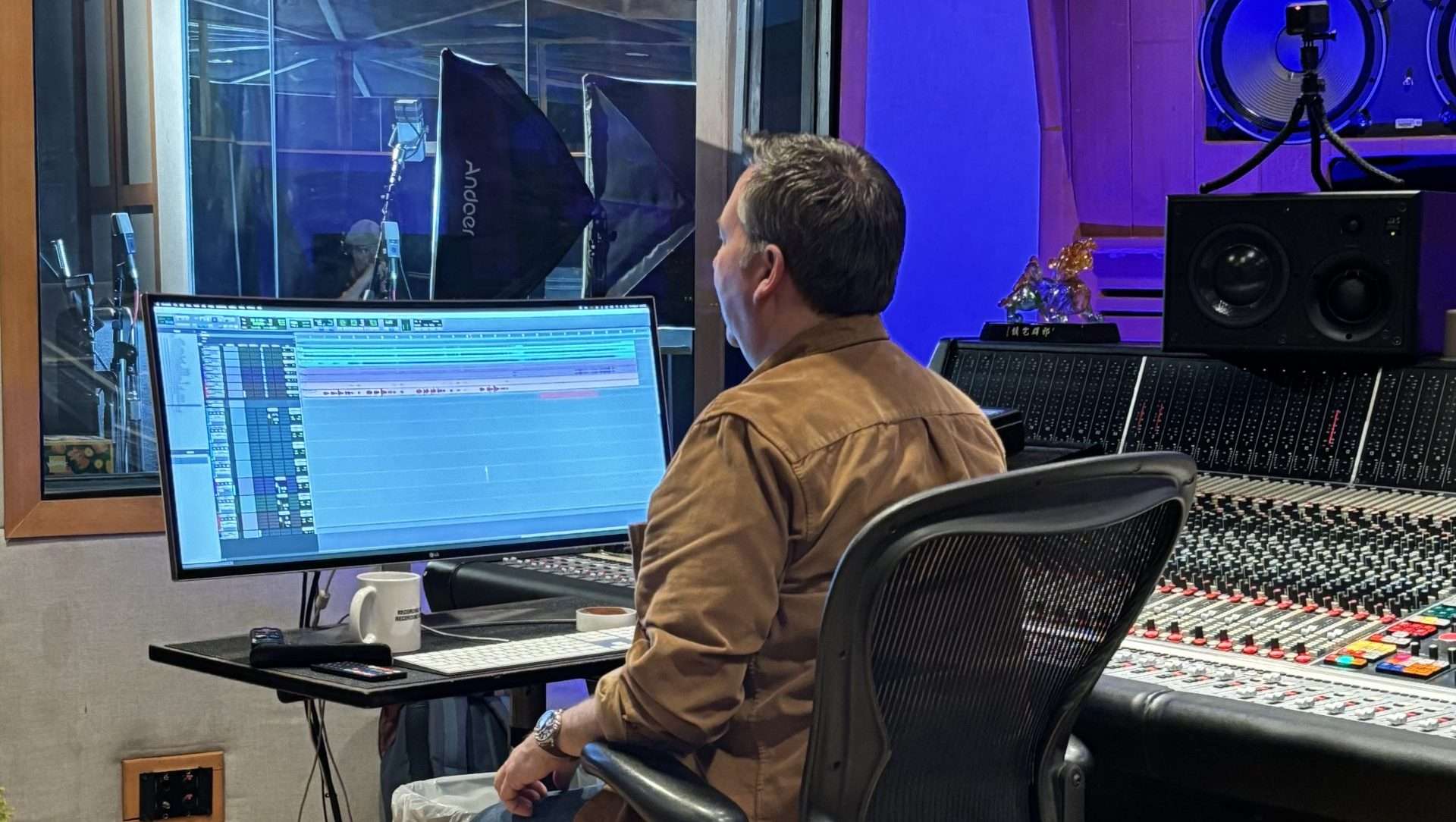
Learn how composing through the documentary edit keeps music flexible as interviews, archival footage and story structure continue to change over time....
FILM MUSIC
READ